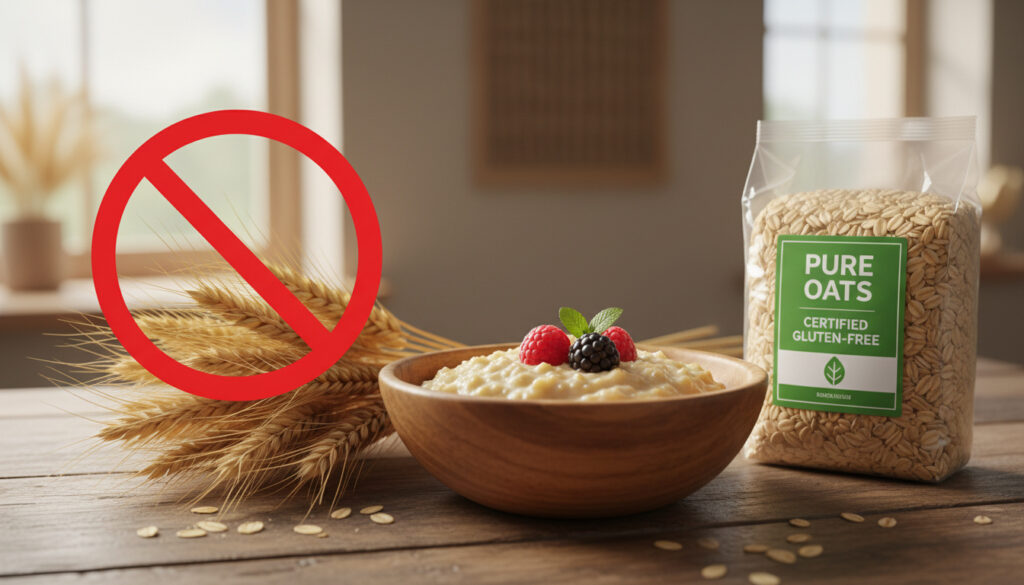
Are Oats Gluten Free – Risks and Safe Choices for Celiacs
Oats stand out among grains for their natural composition. Unlike wheat, barley, and rye, oats do not inherently contain gluten. Yet the question of whether oats are truly gluten-free remains complicated for millions managing celiac disease or gluten sensitivity. The distinction hinges not on the oat itself, but on what happens between the field and the breakfast bowl.
Cross-contamination poses the primary threat. Oats frequently share harvesting equipment, storage silos, and processing facilities with gluten-containing grains. This reality transforms a naturally safe food into a potential hazard for those with autoimmune responses to gluten.
Understanding the nuances of oat production, certification standards, and individual tolerance levels becomes essential for anyone navigating a gluten-free lifestyle. Evidence-based research illuminates the safety profiles, contamination risks, and brand-specific considerations necessary for informed dietary choices.
Are Oats Gluten-Free?
Yes (no avenin toxicity for most)
Cross-contamination in processing
With certified label
‘Gluten-Free’ certified (<20ppm)
Key insights from current research:
- Pure oats contain avenin, a protein structurally similar to gluten, but studies show it typically does not cause intestinal damage in celiac patients when uncontaminated.
- The 2022 International Celiac Disease Symposium found purified oats triggered initial immune response (elevated IL-2) but no long-term tissue damage.
- Some oat varieties react with anti-gluten antibodies (R5, G12), potentially eliciting early inflammation despite being labeled gluten-free.
- A U.S. pilot study detected gluten in 9 of 12 commercial oat samples, including brands like Quaker, Country Choice, and McCann’s.
- FDA standards require gluten-free oats to test below 20 ppm gluten for labeling.
- Mechanical and optical sorting methods remove gluten grains by length, density, and color.
- No universal purity standard exists; protocols vary significantly between manufacturers.
| Oat Type | Gluten Status | Safe For | Notes |
|---|---|---|---|
| Pure oats | Naturally gluten-free | Most celiac patients | Rare avenin sensitivity possible |
| Regular rolled oats | Contaminated | No for celiac | Processed in shared facilities |
| Certified gluten-free oats | Safe (<20 ppm) | Celiac patients | Verified purity protocols |
| Steel-cut oats | Contaminated | No for celiac | Same risks as rolled oats |
| Instant oats | Contaminated | No for celiac | Often processed with wheat/barley |
| Quaker regular oats | Contaminated | No for celiac | 23-1807 mg/kg gluten detected in study |
| Quaker gluten-free oats | Certified safe | Celiac patients | Proprietary sorting, dedicated lines |
| Oatmeal | Variable | Depends on certification | Check label for gluten-free claim |
Can People with Celiac Disease Eat Oats?
Safety for Celiac Disease and Avenin
Pure oats contain avenin, a protein structurally similar to gluten, but multiple studies show it does not typically cause intestinal damage in celiac patients when uncontaminated. Research presented at the 2022 International Celiac Disease Symposium found that while purified oats triggered an initial immune response, they caused no long-term harm or tissue damage with sustained intake, suggesting possible tolerance development.
However, some oat varieties react with anti-gluten antibodies (R5, G12) and may elicit early inflammation, emphasizing the need for purity verification beyond simple labeling. Celiac Disease Foundation guidelines stress that certification is optional if under 20 ppm, but gluten-free labeling remains essential.
While most celiac patients tolerate pure oats, approximately 10-20% may exhibit sensitivity to avenin. Individual responses vary significantly, necessitating medical supervision when introducing oats to a gluten-free diet.
Clinical Guidelines and Monitoring
The Celiac Disease Foundation recommends introducing oats individually under medical supervision, with careful monitoring of symptoms and annual blood work. Patients should start with moderate amounts and discontinue immediately if symptoms occur. This cautious approach acknowledges that while certified gluten-free oats are generally safe, individual tolerance thresholds differ.
Research indicates that gluten-free oats for celiac disease provide essential nutrients including fiber, antioxidants, and whole grains often lacking in restricted diets. The 2020 Dietary Guidelines recognize oats as an important whole grain source for those avoiding wheat products.
Why Are Oats Not Always Gluten-Free?
Cross-Contamination Risks
Oats risk cross-contamination at multiple points: farms, storage silos, transport vehicles, and mills shared with wheat, barley, or rye. A U.S. pilot study detected gluten in 9 of 12 oat samples from brands including Quaker, Country Choice, and McCann’s, with contamination levels ranging from 23 to 1807 mg/kg—far exceeding safe thresholds for celiac patients.
Food services and hidden gluten in additives pose additional risks beyond the oats themselves. Cross-contamination risks in oats begin at the agricultural level and continue through every stage of production.
Production Methods and Purity Protocols
To achieve gluten-free status, manufacturers employ mechanical and optical sorting to remove gluten grains based on length, density, and color. Purity protocols segregate oats throughout production, utilizing dedicated equipment and validated cleaning procedures. FDA standards require testing below 20 ppm gluten for labeling.
No universal purity standard exists; company-specific protocols vary significantly between manufacturers. This inconsistency makes third-party certification and transparent labeling practices essential for consumer safety.
Are Instant or Quaker Oats Gluten-Free?
Quaker Oats and Certification Status
Quaker offers certified gluten-free Instant Oats and Old Fashioned Oats through specially marked packages. Company documentation describes a proprietary cleaning system, optical sorting, and testing at multiple checkpoints, utilizing dedicated production lines to meet FDA standards. Packaging ingredients undergo validation, and lines receive specialized cleaning to prevent cross-contamination.
Despite these measures, independent testing has historically detected contamination in some lots of various brands, highlighting ongoing vigilance requirements. Consumers must distinguish between standard product lines and specifically labeled gluten-free versions.
Independent U.S. testing found gluten in 75% of sampled conventional oat brands. Regular Quaker oats contained between 23 and 1807 mg/kg of gluten—levels dangerous for celiac patients. Only purchase packages explicitly labeled “gluten-free.”
Other Brands and Instant Oat Considerations
Most instant oats and flavored oatmeal packets contain gluten due to shared processing equipment and added ingredients. Regular Quaker oats, including traditional Old Fashioned and Quick varieties, are not gluten-free and have shown significant contamination in laboratory analyses.
Certification is optional if products contain under 20 ppm gluten, but the Celiac Disease Foundation stresses choosing only products bearing “gluten-free” labels. Contact manufacturers directly for specific purity protocol details.
How Did Gluten-Free Oats Certification Develop?
- Ancient cultivation: Oats grow naturally gluten-free, distinct from wheat, barley, and rye.
- Early 2000s: Medical community identifies cross-contamination as primary risk factor for oat consumption in celiac disease.
- 2013: U.S. FDA establishes gluten-free labeling standards, requiring less than 20 ppm gluten for certification.
- 2022: International Celiac Disease Symposium presents research confirming no long-term intestinal damage from purified oats despite initial immune markers.
- Present day: Expansion of certified gluten-free oat brands utilizing optical sorting and dedicated facility protocols.
What Do We Know About Oats and Gluten?
Established Facts
- Pure oats are naturally gluten-free and do not contain gliadin or glutenin.
- Cross-contamination during harvesting, transport, and milling poses the primary risk.
- FDA mandates less than 20 ppm gluten for “gluten-free” labeling.
- Most celiac patients tolerate moderate amounts of certified gluten-free oats without intestinal damage.
Remaining Uncertainties
- Individual variation in avenin sensitivity affects approximately 10-20% of celiac patients, but specific risk factors remain unidentified.
- Long-term effects of sustained oat consumption in newly diagnosed or pediatric celiac patients require further study.
- Universal standards for “purity protocol” oats vary between manufacturers, creating inconsistent safety margins.
Why Do Oats Matter in Gluten-Free Diets?
Oats provide crucial nutritional benefits often lacking in gluten-free diets, including dietary fiber, beta-glucan for cholesterol management, and essential B vitamins. Nutritional analysis confirms that pure oats boost fiber, antioxidants, and whole grain intake for celiac patients following restricted eating patterns.
However, the contamination risks documented in independent testing underscore the necessity of rigorous verification. For celiac patients, the choice between nutritious whole grains and potential autoimmune triggers requires careful navigation of labeling standards and manufacturing practices.
What Do Leading Authorities Say?
“Pure oats contain avenin, a protein structurally similar to gluten, but multiple studies show it does not typically cause intestinal damage in celiac patients when uncontaminated.”
— Celiac Disease Foundation
“Research at the 2022 International Celiac Disease Symposium found purified oats triggered an initial immune response but no long-term harm or tissue damage with sustained intake.”
— 2022 ICDS proceedings via Celiac.org
“Gluten-free oats must test below 20 ppm gluten per FDA standards for labeling. Manufacturers use mechanical/optical sorting and purity protocols to segregate oats throughout production.”
— Quaker Oats Gluten-Free Resource
How to Safely Include Oats in a Gluten-Free Diet?
Selecting safe oats requires vigilance: choose only packages explicitly labeled “gluten-free,” verify certification standards when available, and introduce new brands gradually while monitoring symptoms. For those with celiac disease, consultation with healthcare providers ensures individual tolerance levels accommodate this nutritious grain. Gluten-free oats for celiac disease require the same careful scrutiny as any processed food in a restricted diet.
Frequently Asked Questions
What are gluten-free oats?
Gluten-free oats are pure oats grown, harvested, and processed using strict purity protocols to prevent cross-contamination with wheat, barley, or rye, and tested to contain less than 20 ppm gluten per FDA standards.
How do I choose certified gluten-free oats?
Look for packages explicitly labeled “gluten-free,” verify third-party certification when available, check manufacturer purity protocols, and contact companies directly to confirm testing standards and dedicated facility status.
Is there a difference between regular oats and gluten-free oats?
Regular oats often contact gluten during shared processing, while gluten-free oats use dedicated equipment, optical sorting, and rigorous testing to ensure safety for celiac patients.
Can I eat oats if I have gluten sensitivity but not celiac disease?
Many with non-celiac gluten sensitivity tolerate certified gluten-free oats, though individual reactions vary. Start with small portions under medical guidance to assess personal tolerance.
How much gluten-free oats can I safely eat daily?
Most celiac patients safely consume moderate amounts, typically up to 50-70 grams daily, though individual tolerance varies. Begin with smaller servings and increase gradually while monitoring symptoms.
Why do some people react to oats if they’re gluten-free?
Some individuals react to avenin, a protein in oats structurally similar to gluten. Approximately 10-20% of celiac patients may experience sensitivity, causing symptoms despite gluten-free certification.
Are steel-cut oats safer than rolled oats?
Steel-cut oats carry the same contamination risks as rolled oats unless certified gluten-free. The cutting process doesn’t eliminate cross-contamination from shared equipment or storage facilities.
More related posts
 Mormon Church Near Me: Find Your Local LDS Ward in Ireland
 What Is the Fourth Amendment? Meaning and Text Explained
 How to Make Concrete in Minecraft: Recipe and Farm Guide
 Stranger Things 5 Release Date – Confirmed Volumes and 2025 Dates
 2022 GMC Sierra 1500 Review: Price, Specs & Reliability
 Credit Card Interest Calculator – Best Free Tools and Formulas
 T-Mobile Bill Pay – Guest Payments No Login Needed
 What Is Pantoprazole Used For? Uses, Side Effects & Dosage