Full Mouth Dental Implants – Cost, Procedure, Recovery Guide
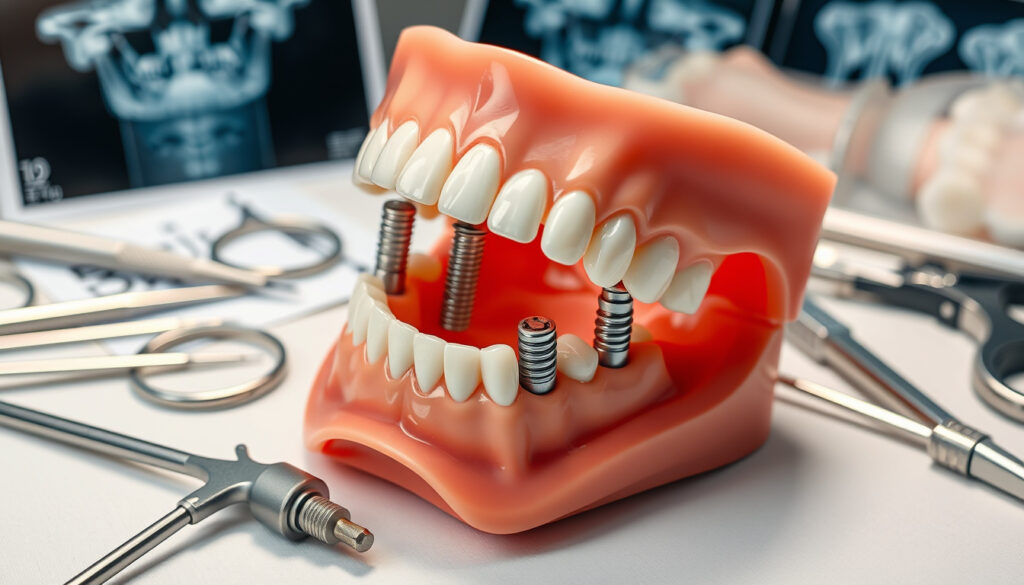
Full mouth dental implants represent a significant advancement in restorative dentistry, offering individuals with extensive tooth loss a permanent solution that goes well beyond what traditional dentures can provide. By anchoring a full arch of prosthetic teeth to titanium posts surgically placed into the jawbone, this approach restores both function and aesthetics for patients who have lost most or all of their natural teeth.
The investment required for full mouth dental implants typically ranges from $30,000 to $100,000 or more for both arches in the United States as of 2025–2026, with costs varying considerably based on the technique selected, materials used, geographic location, and whether additional procedures such as bone grafting are necessary. Understanding the financial commitment, procedural steps, candidacy requirements, and recovery expectations becomes essential for anyone considering this life-changing dental work.
This guide examines the key factors prospective patients need to evaluate when exploring full mouth dental implants as a tooth replacement option.
How Much Do Full Mouth Dental Implants Cost?
Cost represents one of the most significant considerations for patients exploring full mouth dental implants. Prices fluctuate based on implant number, material choices such as zirconia bridges, clinic location, and supplementary procedures like bone grafts or sinus lifts. In states like California, costs tend to run higher, with full mouth procedures often starting around $30,000 or more.
Key Cost Factors to Understand
Several elements influence the overall investment required for full mouth dental implants:
- Implant technique selected: All-on-4 procedures using four implants per arch typically cost less than All-on-6 setups or traditional full arch approaches requiring six to eight or more implants
- Material choices: Zirconia bridges carry premium pricing compared to acrylic alternatives but offer superior durability and aesthetics
- Geographic location: Urban centers and coastal regions generally command higher fees than rural practices
- Preparatory procedures: Bone grafting at $200 or more per cubic centimeter and sinus lifts at $400 or higher add to baseline costs
- Extractions needed: Removing existing teeth costs approximately $80 per tooth before implant placement begins
- Financing availability: Some clinics offer payment plans around $250 per month for patients with credit scores of 675 or higher
- Overseas options: Some patients explore treatments abroad where costs can reach as low as $4,200 per arch for All-on-4 procedures, though verifying exactly what is included in such quotes remains critical
Cost Comparison by Implant Type
| Implant Type | Cost Per Arch | Full Mouth (Both Arches) |
|---|---|---|
| All-on-4 (4 implants, fixed bridge) | $10,000–$35,000 | $25,000–$70,000 |
| All-on-6 (6 implants for added stability) | $18,000–$35,000 | $25,000–$70,000 |
| Traditional Full Arch (6–8+ implants, often zirconia) | $30,000–$60,000+ | $60,000–$100,000+ |
| Implant-Supported Dentures (removable, snap-in) | Under $10,000 | $20,000–$40,000 |
| Full Mouth Reconstruction (individual or max implants) | $20,000–$60,000+ | $60,000–$90,000+ |
For patients needing individual tooth replacements, a single implant including post, abutment, and crown generally ranges from $3,000 to $6,000 per tooth.
What Is the Full Mouth Dental Implants Procedure?
The full mouth dental implants procedure spans a timeline of three to twelve months for most patients, though same-day options exist for those who qualify. Understanding each stage helps set realistic expectations for the journey from initial consultation through final prosthesis placement.
Initial Consultation and Planning
Every full mouth implant journey begins with a comprehensive consultation that includes diagnostic imaging and CT scans. These tools allow the dental team to assess jawbone density, identify anatomical structures to avoid, and develop a precise surgical plan. This phase typically costs $200 or more depending on the imaging technology employed.
Extractions and Bone Preparation
If damaged or decayed teeth remain, extraction becomes necessary before implant placement. Extractions run approximately $80 per tooth. Patients with insufficient jawbone density may require bone grafting to create a stable foundation for implants. The All-on-4 and All-on-6 techniques address this challenge by using angled implant placement to maximize existing bone, often eliminating the need for grafting altogether.
Implant Placement Surgery
During the surgical phase, titanium screws are placed directly into the jawbone under local anesthesia with sedation options available. The number of implants varies by technique: four for All-on-4, six for All-on-6, or six to eight or more for traditional full arch approaches. This procedure establishes the foundation for permanent prosthetic teeth.
Temporary and Permanent Restoration
Following implant placement, temporary restorations allow patients to leave with functional teeth while healing occurs. Temporary dentures may cost around $500. The critical osseointegration phase, during which implants fuse with surrounding bone, requires three to six months of healing before permanent zirconia or porcelain bridges can be attached via screw-retained or fixed methods.
Qualified candidates with strong bone density may receive temporary teeth immediately following implant surgery, offering faster functional restoration. This approach works best for patients without significant bone loss who meet specific health criteria.
Who Is a Good Candidate for Full Mouth Dental Implants?
Not every patient qualifies equally for full mouth dental implants. Dental professionals evaluate several factors during the candidacy assessment to ensure the best possible outcomes. The ideal candidate shares certain characteristics that support successful implant integration and long-term durability.
Essential Health Requirements
Successful implant candidates typically possess sufficient jawbone density to support implants, or they must be willing to undergo bone grafting procedures to build adequate structure. Healthy gums free from active periodontal disease also matter significantly, as gum health directly affects implant stability over time.
Patients should not have uncontrolled medical conditions such as unmanaged diabetes, as such conditions can compromise healing and increase infection risk. A thorough medical evaluation accompanies the dental assessment to identify any factors that might complicate surgery or recovery.
Those managing weight-related health conditions may find relevant guidance in a GLP-1 Weight Loss Guide as part of broader health optimization before implant surgery. Achieving stable health markers often improves surgical outcomes and recovery trajectories.
Who Should Avoid This Procedure
Heavy smokers face elevated risks of implant failure due to compromised blood flow to healing tissues. Patients with severe bone loss may require alternative approaches such as zygomatic implants that anchor into cheekbones rather than the jaw. Those with poor oral hygiene habits or active dental disease must address these issues before becoming viable candidates.
A comprehensive dental examination determines individual candidacy, including review of medical history, current medications, and lifestyle factors that could influence treatment success.
What Is the Recovery Time for Full Mouth Dental Implants?
Recovery from full mouth dental implants occurs in stages, with initial healing differing significantly from complete osseointegration. Patients should plan accordingly for both immediate post-operative recovery and the longer healing timeline required before permanent teeth attach.
Immediate Post-Operative Period
The first one to two weeks following surgery typically involve swelling, bruising, and discomfort manageable with prescribed pain medications. A soft diet becomes necessary during this phase, and patients must strictly avoid smoking to support proper healing. Most individuals return to normal activities within several days, though more strenuous exercise may require additional rest.
Long-Term Healing Timeline
Complete osseointegration—the process by which implants permanently bond with jawbone—requires three to six months on average. During this period, temporary prosthetics allow functional use while waiting for the final restoration. Post-operative care appointments, typically costing around $100 per visit, monitor healing progress.
With proper oral hygiene and regular dental maintenance, implants demonstrate remarkable durability. Zirconia materials particularly resist wear and staining over extended use periods.
Clinical studies document success rates of 95 to 98 percent over ten or more years with appropriate care. Strategic placement techniques used in All-on-4 and All-on-6 procedures show particular effectiveness in cases involving reduced bone density.
Full Mouth Dental Implants vs Dentures: Key Differences
Understanding how full mouth dental implants compare with traditional dentures helps patients make informed decisions based on their specific needs, budget, and lifestyle preferences. Each option carries distinct advantages and limitations worth examining carefully.
| Factor | Full Mouth Implants | Traditional Dentures |
|---|---|---|
| Stability | Fixed in place, no slipping | Can slip or shift during eating |
| Chewing Function | Up to 90% natural function restored | Significantly reduced biting force |
| Bone Preservation | Stimulates bone, prevents resorption | Accelerates bone loss over time |
| Comfort | Feels natural, no gum irritation | May cause sore spots on gums |
| Maintenance | Brush like natural teeth | Requires daily removal and cleaning |
| Upfront Cost | Higher initial investment | Lower initial cost |
Making the Right Choice
Implant-supported options outperform traditional dentures in stability, chewing capability, and bone preservation. However, the higher upfront cost requires greater financial commitment. For budget-conscious individuals seeking a temporary solution, traditional dentures remain a viable option. Patients prioritizing long-term oral health and functional restoration typically find implants deliver superior value despite the initial investment.
What Is the Timeline for Full Mouth Dental Implants?
The complete journey from initial consultation through final prosthesis placement follows a predictable sequence of phases. While individual timelines vary based on healing response and specific treatment plans, most patients move through the following stages.
- Consultation and Planning: One to two weeks for initial evaluation, imaging, and treatment planning
- Surgical Phase: One day for extractions and implant placement
- Initial Healing: Two to four weeks for soft tissue recovery and reduction of post-operative swelling
- Osseointegration: Three to six months for implants to fully fuse with jawbone
- Final Prosthesis: One day for permanent bridge attachment and adjustment
What Is Known and Unknown About Full Mouth Dental Implants?
Research has established clear evidence regarding many aspects of full mouth dental implants, though certain questions remain incompletely answered. Understanding both confirmed facts and persistent uncertainties helps patients maintain realistic expectations.
| Established Information | Remaining Uncertainties |
|---|---|
| Success rates of 95–98% over 10+ years with proper care | Optimal implant protocols for specific systemic conditions |
| All-on-4/6 effective in moderate bone loss cases | Long-term comparison data across different materials |
| Zirconia offers superior durability and aesthetics | Ideal maintenance protocols for extended implant lifespan |
| Smokers face elevated failure risk | Precise impact of various medications on osseointegration |
| Cost varies significantly by technique and location | Optimal financing structures for different economic situations |
Full Mouth Implants: Benefits, Risks, and What to Expect
Full mouth dental implants emerged as a transformative solution for patients struggling with extensive tooth loss, representing decades of evolution in restorative dental techniques. Unlike traditional dentures that rest on gums, implant-supported prosthetics anchor directly into bone, providing unprecedented stability and function.
Patient reviews from 2025 highlight the life-changing nature of successful implant treatment, particularly for All-on-4 procedures that restore confidence in eating and speaking. While costs have risen due to inflation and materials pricing, financing options have become more accessible. The key to success lies in selecting board-certified providers with extensive implant experience and transparent pricing structures.
Prices vary considerably between providers and regions. Patients comparing options should request detailed quotes that specify exactly what procedures, materials, and follow-up care are included. Overseas options at significantly lower prices require careful verification of what is covered and the credentials of treating professionals.
Expert Insights and Data
Professional dental organizations provide valuable resources for patients researching full mouth implant options. The American Dental Association maintains guidance on dental implant procedures and standards, while the American Academy of Implant Dentistry offers practitioner directories and educational materials about implant technology.
Dental implants represent one of the most significant advances in dentistry over the past several decades, providing patients with a permanent solution that closely mimics natural tooth structure and function.
Research published in peer-reviewed journals documents the long-term success of implant procedures, with studies tracking outcomes over ten years or more. The U.S. Food and Drug Administration regulates dental implants as medical devices, establishing safety and effectiveness standards that reputable manufacturers must meet.
Next Steps for Full Mouth Dental Implants
Individuals considering full mouth dental implants should begin by scheduling consultations with board-certified prosthodontists or oral surgeons experienced in full arch reconstruction. During these visits, patients can expect comprehensive examinations, imaging studies, and detailed discussions about treatment options tailored to their specific circumstances.
Comparing quotes from multiple providers helps ensure competitive pricing, though the lowest price rarely represents the best value when surgical precision and material quality matter significantly for long-term outcomes. Patients should ask about experience levels, success rates, warranty policies, and what ongoing maintenance will require.
For those exploring financing options, understanding how interest accrues on payment plans becomes important for budget planning. A Credit Card Interest Calculator can help evaluate the true cost of spreading payments over time.
Frequently Asked Questions
Are full mouth dental implants worth the cost?
For patients seeking a permanent solution with superior stability and bone preservation, implants deliver significant advantages over dentures. The higher upfront investment often pays off through improved quality of life, eating ability, and long-term oral health outcomes.
How painful are full mouth dental implants?
Discomfort varies by individual pain threshold and procedure complexity. Most patients report manageable pain during the initial healing phase, typically controlled with prescribed medications. The surgical phase itself causes minimal discomfort due to anesthesia.
What financing options exist for full mouth dental implants?
Many clinics offer in-house payment plans, and third-party healthcare financing provides additional options. Some patients qualify for plans around $250 monthly with credit scores of 675 or higher. Medical credit cards and personal loans represent alternative funding sources.
Do all teeth need extraction for full mouth implants?
Only teeth that cannot be saved require removal. The treatment plan determines exactly which teeth need extraction before implant placement. Some patients retain healthy teeth where strategically positioned implants can support bridges that connect to natural dentition.
How long do full mouth dental implants last?
With proper care and oral hygiene maintenance, dental implants can last ten years or significantly longer. The prosthetic teeth attached to implants may require replacement due to normal wear over decades of use, but the implants themselves often remain functional for lifetime with appropriate maintenance.
What is the difference between All-on-4 and All-on-6?
All-on-4 uses four implants per arch while All-on-6 uses six. The additional implants in All-on-6 provide greater stability and load distribution, making this approach better suited for patients with lower bone density or those seeking maximum structural support.
Can dental implants fail?
Implant failure occurs in approximately 2–5% of cases, often related to poor bone integration, infection, smoking, or uncontrolled medical conditions. Selecting an experienced provider, following post-operative instructions, and maintaining excellent oral hygiene significantly reduces failure risk.
More related posts
 Shutterfly Free Shipping Code: SHIP99 & SHIPGIFTS (2026)
 Jelly Roll’s ‘Halfway to Hell’: Meaning, Release, and Past
 All in the Family Cast: Who’s Still Alive and Who’s Gone
 How to Find Average: Step-by-Step Guide and Examples
 When Does Real Madrid Play? Schedule & Watch Guide
 Google Pixel 10 Pro XL Review: Worth It? Specs, Price, and Comparison
 Map of Eastern Europe: Countries and Boundaries Guide
 37.3 C to F: Conversion, Normal Temperature, and Fever Context