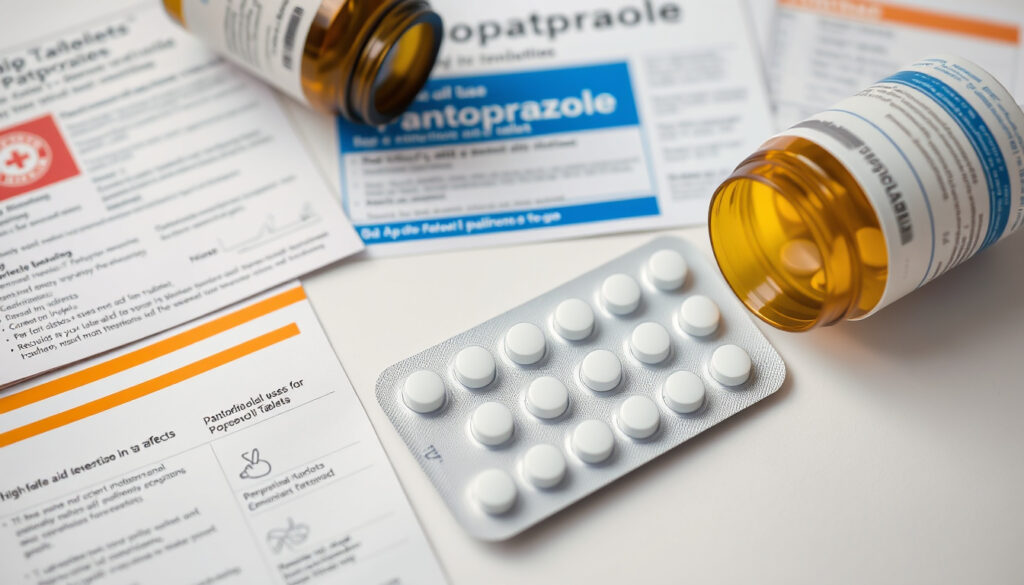
What Is Pantoprazole Used For? Uses, Side Effects & Dosage
If you’ve ever been prescribed pantoprazole for heartburn or reflux, you probably had at least one question before leaving the pharmacy. Something like: does this actually heal what’s causing the burn, or just mask it? And are there foods or habits that could make it work better — or worse? Those are exactly the questions this article sets out to answer, drawing from guidance published by the NHS and Mayo Clinic on how pantoprazole works, what it treats, and what you should know before your first dose.
Primary use: Reduces stomach acid for heartburn and GERD · Common dose: 40 mg once daily · Treats conditions: Erosive esophagitis, stomach ulcers · Form: Oral tablets, gastro-resistant · Top side effect: Headache
Quick snapshot
- Pantoprazole is a proton pump inhibitor (PPI) that reduces stomach acid production (GoodRx)
- It treats GERD, stomach ulcers, and erosive esophagitis (SingleCare)
- Specific quantitative data on how much efficacy drops when high-fat foods are consumed close to dosing time
- Long-term pediatric or pregnancy safety data with verified clinical trial endpoints
- GERD management guidelines updated to recommend decreased fat intake (American Journal of Gastroenterology)
- Current NHS guidance reflects ongoing recommendations for short-term reflux treatment (American Journal of Gastroenterology)
- Newer PPI formulations and alternative acid-suppression options continue to be researched for long-term GERD management
| Label | Value |
|---|---|
| Drug class | Proton pump inhibitor |
| Brand names | Protonix, Pantoloc Control |
| Administration | Oral, once daily before food |
| Duration | Short-term for reflux |
| Common dose | 20 mg or 40 mg daily |
| Form | Gastro-resistant tablets, oral suspension |
Why would a patient take pantoprazole?
Pantoprazole belongs to a class of drugs called proton pump inhibitors (PPIs). Its job is straightforward: turn down the volume on stomach acid production so that irritated tissue in the esophagus or stomach lining has a chance to heal. According to the NHS, pantoprazole treats heartburn, acid reflux, and stomach ulcers.
Conditions treated
- Gastroesophageal reflux disease (GERD)
- Stomach ulcers
- Erosive esophagitis — a more serious form of reflux where acid damages the esophageal lining
- Conditions involving excess stomach acid secretion
Mayo Clinic notes that pantoprazole is used to treat certain conditions in which there is too much acid in the stomach. The drug works by blocking the proton pump in stomach cells, effectively shutting down acid production at the source.
Pantoprazole does not neutralize existing acid — it prevents new acid from forming. That means it creates conditions for healing, but patients still need to follow dosing timing carefully to get the full benefit.
Pantoprazole 40 mg uses
The 40 mg dose is the most commonly prescribed strength for adults with GERD or ulcer conditions. SingleCare notes that pantoprazole treats gastrointestinal reflux disease and ulcers. This dose is typically taken once daily, and for erosive esophagitis, treatment courses can run several weeks to a few months depending on severity.
Pantoprazole 20 mg uses
The lower 20 mg dose is often used for milder reflux symptoms or maintenance therapy after a course of 40 mg has resolved acute symptoms. Patients should not adjust their dose without consulting a healthcare provider, as stopping suddenly can cause acid rebound.
Pantoprazole gastro-resistant tablet uses
The gastro-resistant coating on pantoprazole tablets is not incidental — it protects the active ingredient from being broken down by stomach acid before it reaches the small intestine, where absorption is optimal. Mayo Clinic specifies that oral suspension packets should be mixed only with applesauce or apple juice and taken 30 minutes before a meal for best effect.
What is the most common side effect of pantoprazole?
The most frequently reported side effect of pantoprazole is headache, occurring in a noticeable portion of users. Beyond that, gastrointestinal symptoms dominate the typical side-effect profile. SingleCare reports six common side effects: diarrhea, stomach pain, nausea, vomiting, constipation, and flatulence. BuzzRx adds that pantoprazole side effects can also include dizziness, gas, joint pain, and allergic reactions requiring immediate medical attention.
Common side effects
- Headache (most frequently reported)
- Diarrhea
- Nausea
- Stomach pain
- Flatulence
- Constipation
What are three common side effects?
If you are looking for the three most commonly reported side effects beyond headache: diarrhea, nausea, and stomach pain rank at the top of the list across multiple clinical sources. These tend to be mild and often resolve as the body adjusts to the medication.
Pantoprazole 40 mg side effects
Side effects at the 40 mg dose are not meaningfully different from those at 20 mg — the severity and frequency track more with individual patient factors than with dosage strength. However, long-term use at any dose introduces additional risks.
What this means: most people tolerate pantoprazole without major issues, but the combination of mild GI effects and rare but serious long-term risks means patients should have a clear treatment plan with their prescriber — not just a prescription and a send-off.
What foods should I avoid while taking pantoprazole?
This is where pantoprazole management gets practical — and where the most actionable advice lives. Dietary choices can either support or undercut the medication’s effectiveness, and the mechanisms are specific enough to be worth understanding in detail.
“Certain foods, such as those high in fat, can impact the absorption rate of the medication,” according to Ellie Stamerjohn, MS, RDN, LD, a registered dietitian cited by SingleCare. This is not a minor interaction — high-fat meals are one of the most documented dietary disruptors of pantoprazole efficacy.
What to avoid when taking pantoprazole?
Four broad categories of foods consistently appear across clinical guidance and are worth organizing clearly.
- High-fat foods: Fried foods, potato chips, French fries, pizza, processed meats, full-fat dairy. GoodRx notes these delay stomach emptying and worsen reflux symptoms. The American Journal of Gastroenterology updated GERD management guidelines to recommend decreased fat intake.
- Acidic foods: Oranges, grapefruits, lemons, limes, tomatoes, pineapples, and tomato-based products like sauces and ketchup. These counter the drug’s acid-reduction goal and directly irritate the stomach lining.
- Spicy foods: Red chili peppers, jalapeños, cayenne, habanero, curries, kimchi, hot sauce. SingleCare and BuzzRx both flag these for irritating the stomach lining and slowing gastric emptying.
- Caffeine and alcohol: Coffee, tea, cola, energy drinks, chocolate, peppermint, and alcoholic beverages. NHS specifically advises avoiding caffeinated drinks alongside pantoprazole. These relax the lower esophageal sphincter, which increases reflux pressure.
Pantoprazole foods to avoid
Building a practical list helps patients act on this information without needing to memorize food science. The foods to actively limit or avoid include:
- Fried foods and fast food
- Citrus fruits and juices
- Tomato-based products
- Spicy ethnic cuisines with heavy chili or curry use
- Coffee, energy drinks, and caffeinated sodas
- Alcoholic beverages
- Chocolate and peppermint
- Full-fat dairy products
The pattern across guidance from NHS, Mayo Clinic, and multiple pharmacy sources is consistent: foods that trigger reflux symptoms are the same ones that can reduce pantoprazole’s effectiveness. This is not coincidence — it reflects overlapping mechanisms around acid exposure and gastric motility.
For patients, the practical takeaway is simple: the medication works best when taken on an empty stomach, and the diet works best when it avoids the foods that drove the reflux problem in the first place.
What are the worst side effects of pantoprazole?
While most users experience only mild symptoms, pantoprazole carries a small but documented risk of more serious adverse effects — particularly with prolonged use. Understanding these risks matters because they are not always communicated clearly at the pharmacy counter.
What is the biggest side effect of pantoprazole?
Medical literature and clinical guidance consistently identify three serious concerns associated with long-term PPI use: bone fractures, kidney issues, and vitamin B12 deficiency. SingleCare reports that long-term PPI use can cause severe effects including increased risk of infections and bone fractures.
- Bone fractures: Extended PPI use is associated with decreased bone mineral density, particularly in the hip, wrist, and spine. Patients over 50 or those with osteoporosis history should discuss this risk with their prescriber.
- Kidney issues: Proton pump inhibitors have been linked to acute interstitial nephritis and can worsen pre-existing kidney function. Regular monitoring may be warranted for long-term users.
- Vitamin B12 deficiency: Long-term acid suppression impairs the absorption of B12 from food sources. This can lead to anemia, fatigue, and neurological symptoms over time.
Can I take pantoprazole 40 mg twice a day?
The standard dosing is once daily — typically 30 to 60 minutes before the first meal of the day, per SingleCare. NHS guidance recommends taking pantoprazole an hour before a meal. Doubling the dose without medical direction is not standard practice and can increase the risk of the serious side effects listed above.
The catch: if a once-daily dose is not controlling symptoms, the right move is to call the prescriber — not to self-escalate. Increasing dose or frequency on your own carries compounding risks.
Does pantoprazole heal the stomach lining?
Yes — but the healing it enables depends on the condition being treated, the duration of treatment, and whether the underlying triggers are still present. Pantoprazole does not directly “heal” tissue in the way an antibiotic kills bacteria; instead, it reduces acid exposure so that the body’s own repair mechanisms can operate without constant irritation.
Healing erosive esophagitis
Erosive esophagitis is one of the clearest cases where pantoprazole demonstrates actual tissue healing. By reducing acid to levels low enough that the esophagus lining is no longer being chemically burned, pantoprazole creates a window for mucosal repair. Clinical studies of PPIs in GERD management show measurable endoscopic improvement in erosive esophagitis after 8 to 12 weeks of treatment.
Can I take pantoprazole 40 mg twice a day?
For more severe cases of erosive esophagitis, some guidelines allow for a twice-daily dosing schedule — with one dose before breakfast and one before the evening meal. This approach should only be used under a physician’s explicit direction and typically for a defined treatment course.
Pantoprazole works exactly as designed for short-term reflux and ulcer treatment — reducing acid to allow healing. But the same mechanism that makes it effective long-term is the one that carries the less-visible risks around bone density, kidney function, and B12 absorption. Patients on multi-month courses should be monitored, not left on autopilot.
“"Certain foods, such as those high in fat, can impact the absorption rate of the medication."”
— Ellie Stamerjohn, MS, RDN, LD, registered dietitian at Nourish
“"There are generally no side effects to pantoprazole use," but notes mild GI effects possible.”
Related reading: GLP-1 Weight Loss – Drugs, Results, Side Effects Guide
buzzrx.com, pharmeasy.in, yourhealthmagazine.net, nhs.uk, youtube.com, apollo247.com
Although 40 mg serves as the common dose, physicians often prescribe the pantoprazole 20 mg variant for milder GERD or heartburn symptoms.
Frequently asked questions
What conditions does pantoprazole treat?
Pantoprazole treats gastroesophageal reflux disease (GERD), stomach ulcers, erosive esophagitis, and conditions involving excessive stomach acid production. It is available by prescription and, in some formulations, over the counter under brand names like Pantoloc Control.
How does pantoprazole work?
Pantoprazole is a proton pump inhibitor (PPI). It works by blocking the proton pump in stomach cells — the mechanism responsible for secreting hydrochloric acid. By turning down acid production at the source, it reduces the irritation that causes reflux symptoms and allows damaged tissue to heal.
Is pantoprazole safe long-term?
Short-term use of pantoprazole is generally well tolerated. Long-term use carries documented risks including bone fractures, vitamin B12 deficiency, and kidney issues. Patients on extended courses should have regular follow-up appointments to assess whether continued use is still appropriate.
What is the dosage for pantoprazole?
The standard prescription dose is 40 mg taken once daily, typically 30 to 60 minutes before a meal. A lower 20 mg dose is available for milder symptoms or maintenance therapy. Oral suspension packets are available for patients who have difficulty swallowing tablets and should be mixed with applesauce or apple juice only.
When should I take pantoprazole?
Take pantoprazole 30 to 60 minutes before your first meal of the day, as directed by NHS and Mayo Clinic guidance. Consistency with timing matters because the medication needs an empty stomach to activate properly before food arrives to stimulate acid production.
Does pantoprazole cause weight gain?
Weight gain is not listed among the common side effects of pantoprazole in major clinical sources. The most frequently reported side effects are headache, diarrhea, nausea, and flatulence. If you notice unexpected weight changes while taking pantoprazole, discuss it with your healthcare provider — it may be unrelated to the medication.
Can pantoprazole be taken with other medications?
Pantoprazole can interact with certain drugs, including some antiretrovirals, methotrexate, and medications that depend on stomach acid for absorption. SingleCare advises avoiding NSAIDs like ibuprofen unless specifically instructed by your provider, as they can increase gastric irritation. Always provide your full medication list to your prescriber before starting pantoprazole.
For anyone managing chronic reflux or recovering from an ulcer, the practical next step is straightforward: take pantoprazole as prescribed, time it correctly before meals, and build your diet around foods that support — rather than undermine — the treatment. If symptoms are not improving within the expected window, the move is to your healthcare provider, not to doubling your dose on your own.
More related posts
 iPhone 17 Pro Max Price in USA – $1,199 Base, Storage and Deals
 Air Fry Pork Chops – Perfect Results Every Time
 How to Use Noise Cancellation on AirPods: Pro, 4 & Android
 Hand Foot and Mouth Symptoms: Early Signs & Stages
 Tropical Storm Dexter 2025: Path and Latest Updates
 Symptoms of Breast Cancer: Early Signs & Warnings
 Jimmy John’s Promo Code Guide: 20% Off & More
 Wednesday Season 2 Part 2: Release Date & Episodes